
Sekyiwa Shakur Biography: Age, Parents, Siblings, Husband, Career, and Tupac Shakur’s Sister

Tupac ShakurIntroduction to Sekyiwa Shakur
Sekyiwa Shakur is an American philanthropist, community advocate, and nonprofit leader best known as the younger half-sister of legendary rapper Tupac Shakur. She was born on October 3, 1975, in East Harlem, New York, United States. Her family has played an important role in American music, political activism, and community development. Although her relationship with Tupac brought attention to her name, she has developed her own professional identity through charitable work and social advocacy.
Sekyiwa grew up in a family strongly connected to movements for social equality and community empowerment. Her mother, Afeni Shakur, was a political activist associated with the Black Panther Party, while her father, Mutulu Shakur, was involved in political organizing and community health initiatives. Their experiences formed an important part of the family environment in which Sekyiwa spent her childhood. She also shared a close family connection with Tupac, whose music later influenced millions of listeners around the world.
As an adult, Sekyiwa became involved in the Tupac Amaru Shakur Foundation, an organization established to honor her brother’s memory through education, creative arts, and community programs. She serves as its president and supports initiatives focused on youth development, emotional wellness, and mental health awareness. Her biography reflects both the cultural importance of the Shakur family and her individual commitment to meaningful social work.
Who Is Sekyiwa Shakur?
Sekyiwa Shakur, also known by her nickname Set, is an American community advocate and the younger maternal half-sister of Tupac Amaru Shakur. She is the daughter of Afeni Shakur and Mutulu Shakur, two individuals associated with political activism in the United States. Her family background connects her to important developments in American social movements and hip-hop culture. However, her professional interests have focused mainly on nonprofit leadership and community services rather than entertainment.
Her childhood was shaped by changes in family circumstances, financial difficulties, and experiences in different American cities. Growing up alongside Tupac gave her a personal understanding of the family environment that influenced his early life and artistic development. Their mother placed importance on education, cultural awareness, and understanding social conditions. These influences became part of the wider family history that continues to attract interest from readers researching Tupac and his relatives.
Sekyiwa has built a professional identity through her involvement in philanthropy and youth-focused initiatives. Her position as president of the Tupac Amaru Shakur Foundation connects her to programs that encourage creativity, emotional healing, and personal development. Through these responsibilities, she continues a family tradition of supporting communities while maintaining her own identity as a nonprofit leader and advocate.
Sekyiwa Shakur Profile Summary
| Attribute | Details |
|---|---|
| Full Name | Sekyiwa Shakur |
| Nickname | Set |
| Date of Birth | October 3, 1975 |
| Age | 51 years (as of October 2026) |
| Birthplace | East Harlem, New York, United States |
| Nationality | American |
| Profession | Philanthropist, community advocate, nonprofit leader |
| Known For | Tupac Shakur’s younger half-sister |
| Mother | Afeni Shakur |
| Father | Mutulu Shakur |
| Brother | Tupac Shakur |
| Other Siblings | Mopreme Shakur, Nzingha Shakur, Chinua Shakur, Ayize Shakur |
| Spouse | Gregory Jackson (named in biographical details) |
| Organization | Tupac Amaru Shakur Foundation |
| Position | President |
| Main Areas of Work | Youth development, mental health awareness, creative arts, community support |
Sekyiwa Shakur Early Life and Childhood
Sekyiwa Shakur was born on October 3, 1975, in East Harlem, a neighborhood of New York City with a long history of cultural diversity and social activism. She spent her early years in a family influenced by political movements and economic challenges. Her mother, Afeni Shakur, was responsible for raising Tupac and Sekyiwa through changing circumstances. The family environment exposed both children to discussions about equality, identity, and the difficulties experienced by disadvantaged communities.
During their childhood, the family lived in different locations, including New York, Baltimore, and California. These changes were important parts of the Shakur family’s history and influenced the experiences of both siblings. Moving between communities meant adjusting to different schools, neighborhoods, and social environments. Financial difficulties also formed part of their upbringing, making stability and access to opportunities important concerns within the household.
Sekyiwa’s early experiences provide context for her later interest in community programs and youth development. Her childhood included direct exposure to the issues that many charitable organizations attempt to address, including economic hardship and the need for supportive environments. These experiences are relevant to understanding her involvement in the Tupac Amaru Shakur Foundation, where creative expression, education, and emotional wellness form important parts of the organization’s mission.
Also Read: Mallory Plotnik Biography: Phil Wickham’s Wife, Marriage, Children, and Family Life
Sekyiwa Shakur Parents: Afeni Shakur and Mutulu Shakur
Sekyiwa Shakur’s mother, Afeni Shakur, was an American political activist who became associated with the Black Panther Party during the late 1960s. Born Alice Faye Williams, she participated in movements addressing racial inequality and the social conditions affecting African American communities. Her political activities became an important part of her personal history, while her later responsibilities included raising her children and preserving Tupac Shakur’s artistic legacy. Afeni died on May 2, 2016, after a life connected to activism, family, and charitable work.
Afeni played a central role in the lives of Sekyiwa and Tupac. She raised them during periods of financial difficulty and worked to provide opportunities despite changes in the family’s circumstances. After Tupac’s death in 1996, she established the Tupac Amaru Shakur Foundation to support education and creative development. Her involvement in managing Tupac’s legacy helped maintain his cultural influence while directing attention toward community-based programs.
Sekyiwa’s father, Mutulu Shakur, was a political activist and community health advocate associated with Black liberation movements. His work included involvement in programs addressing drug addiction and alternative approaches to treatment. He also became known for his legal history and spent many years in federal prison before his death in July 2023. The different experiences of Afeni and Mutulu shaped the wider Shakur family history and established its longstanding connection to political and social causes.
Sekyiwa Shakur and Tupac Shakur’s Relationship
Sekyiwa Shakur and Tupac Shakur were maternal half-siblings who shared the same mother, Afeni Shakur. Tupac was born on June 16, 1971, approximately four years before Sekyiwa. Although they had different biological fathers, they grew up together during important periods of their childhood. Their shared family experiences included financial difficulties, changes in residence, and the influence of their mother’s political background.
Tupac developed an interest in poetry, acting, and music at a young age before becoming one of the most influential figures in hip-hop. His recordings explored personal struggles, racial inequality, violence, family relationships, and life in disadvantaged communities. As his career developed, he became internationally recognized, bringing considerable attention to the Shakur family. Sekyiwa experienced this change as a younger sister who had known him before he achieved success in entertainment.
Their relationship remained important in Sekyiwa’s memories of her brother. During events celebrating Tupac’s contributions, she has spoken about his childhood ambitions and artistic interests. His death on September 13, 1996, at the age of 25 marked a major turning point for the family. In later years, Sekyiwa became involved in work that helped preserve his cultural legacy while supporting charitable programs connected to his name.
Sekyiwa Shakur Siblings and Family Relationships
Sekyiwa Shakur belongs to a blended family with biological, half-sibling, and step-family relationships. Her best-known sibling is Tupac Shakur, with whom she shared their mother, Afeni. Another recognized family member is Mopreme Shakur, an American rapper who worked with Tupac during his music career. Mopreme was associated with the hip-hop group Thug Life and participated in musical projects connected to his brother.
The extended Shakur family also includes Nzingha Shakur, Chinua Shakur, and Ayize Shakur. These names are associated with the family’s wider network of relationships, although their exact biological and step-family connections should be distinguished carefully. Tupac and Sekyiwa were maternal half-siblings, while Mopreme’s relationship to Tupac developed through their blended family connection. This distinction is important for accurately describing the family structure.
The Shakur family has attracted interest because its members have been connected to music, political activism, and community programs. However, each family member has a separate identity and personal history. While Tupac and Mopreme became associated with music, Sekyiwa concentrated on charitable leadership and community advocacy. Understanding these different paths helps present the family as a group of individuals rather than defining every relative through Tupac’s success.
Sekyiwa Shakur Education and Personal Development
Sekyiwa Shakur’s early education took place during a childhood marked by changes in residence and family circumstances. The Shakur family spent time in New York, Baltimore, and California, exposing the children to different communities and educational environments. These moves were part of a broader family experience shaped by financial pressures and the responsibilities faced by Afeni Shakur. Specific details about Sekyiwa’s schools, academic qualifications, and college education are not established in the available biographical material.
Her personal development can be understood partly through the social environment surrounding her family. Afeni’s political background introduced discussions about equality, community organization, and cultural identity into the household. The family’s experiences also demonstrated the importance of access to education and supportive institutions. These subjects later became connected to the charitable mission of the foundation established in Tupac’s memory.
As an adult, Sekyiwa became involved in youth-focused community programs that recognize education as more than classroom instruction. Creative arts, mentorship, and emotional development are important parts of the foundation’s approach to helping young people. Her professional interests reflect a connection between learning, personal confidence, and community support. These priorities contribute to the broader purpose of her nonprofit leadership.
Sekyiwa Shakur Career and Professional Life
Sekyiwa Shakur has developed her professional career through philanthropy, nonprofit leadership, and social advocacy. Unlike her brother Tupac, who became an internationally recognized musician and actor, Sekyiwa pursued activities connected to community development and charitable organizations. Her work focuses on supporting young people and encouraging opportunities for personal growth. These responsibilities have given her a professional role that exists independently of her family’s entertainment history.
Her career is closely associated with the Tupac Amaru Shakur Foundation, where she has taken part in programs involving creative expression, emotional wellness, and community support. The organization recognizes the potential of artistic activities to help individuals communicate experiences and develop confidence. Sekyiwa’s leadership responsibilities involve supporting this mission and representing the foundation’s commitment to youth development.
An important feature of her professional identity is her focus on the relationship between creative opportunities and emotional health. Community programs can use art, music, and education to provide young people with constructive ways to address personal difficulties. Through her work with the foundation, Sekyiwa contributes to a charitable approach that combines cultural expression with social responsibility. Her career demonstrates how a family legacy can support meaningful work in the nonprofit sector.
Also Read: Tiffany Pesci Biography: Joe Pesci’s Daughter, Age, Parents, Family and Personal Life
Sekyiwa Shakur and the Tupac Amaru Shakur Foundation
The Tupac Amaru Shakur Foundation was established by Afeni Shakur following Tupac’s death in September 1996. Its purpose was to honor his artistic contributions while creating educational and creative opportunities for young people. The organization developed activities connected to music, poetry, acting, and other forms of artistic expression. These programs reflected Tupac’s interest in creativity and the social conditions affecting young people in American communities.
Sekyiwa Shakur became involved in the foundation’s work and eventually assumed the position of president. Her leadership continued the organizational responsibilities associated with her mother’s efforts to preserve Tupac’s legacy. The foundation’s areas of interest include mental health awareness, trauma healing, emotional wellness, and youth empowerment. These programs are designed to connect personal development with the benefits of creativity and supportive community environments.
As president, Sekyiwa represents an organization that uses Tupac’s cultural influence to address contemporary social concerns. The foundation’s work demonstrates that preserving an artist’s legacy can involve more than maintaining historical records or celebrating achievements. Through educational and wellness initiatives, it seeks to provide opportunities that benefit young people and families. Sekyiwa’s responsibilities therefore connect her brother’s memory with an ongoing commitment to community services.
Sekyiwa Shakur Husband and Married Life
Sekyiwa Shakur’s personal life has attracted attention because of her connection to Tupac Shakur and the wider Shakur family. Gregory Jackson is named as her spouse in the biographical details associated with her profile. However, specific information about their marriage, including the wedding date and relationship history, has not been established through dependable documentation. Her personal relationships should therefore be described carefully without adding unsupported details about her marital circumstances.
Gregory Jackson is also associated with the Tupac Amaru Shakur Foundation through an organizational role. His connection to the foundation provides context for his involvement in activities related to the Shakur family’s charitable work. However, professional responsibilities and personal relationships are separate subjects, and one should not be used to establish details about the other. Sekyiwa’s professional position as president of the foundation remains a clearer part of her adult biography.
Although readers may be interested in Sekyiwa Shakur’s husband and married life, her contributions extend beyond her personal relationships. She has developed responsibilities involving nonprofit leadership, community development, and the preservation of Tupac’s cultural legacy. Her biography is best understood through these established activities and her family background rather than assumptions about private matters.
Sekyiwa Shakur Children and Family Life
Family has been an important part of Sekyiwa Shakur’s life, beginning with her upbringing alongside Tupac and her experiences as the daughter of Afeni Shakur. The Shakur household was influenced by political activism, changing financial circumstances, and strong connections to cultural identity. These experiences contributed to the family history that later became closely associated with Tupac’s music and Afeni’s charitable work. Sekyiwa’s personal background remains an essential part of understanding her adult responsibilities.
Sekyiwa has also been discussed in connection with motherhood and family responsibilities. However, the biographical details available for this article do not establish a complete account of her children’s names, ages, or individual circumstances. Her family life should therefore be presented without introducing unsupported personal information. This approach keeps the discussion focused on relevant facts while respecting the privacy of relatives who have not chosen careers in entertainment or community leadership.
Her involvement in youth development also connects her professional responsibilities with concerns that affect families and children. The Tupac Amaru Shakur Foundation emphasizes emotional wellness, educational opportunities, and creative activities that can support healthy personal development. These programs address challenges experienced by young people and their communities. Through her leadership, Sekyiwa contributes to an organization that places importance on creating supportive environments for future generations.
Sekyiwa Shakur’s Role in Preserving Tupac Shakur’s Legacy
Sekyiwa Shakur plays an important role in preserving the memory and cultural influence of her older brother, Tupac Shakur. Tupac became one of the most significant figures in hip-hop through his music, poetry, and acting career. His songs addressed social inequality, poverty, personal struggles, family relationships, and the experiences of disadvantaged communities. These subjects contributed to his influence on music and popular culture, which continued long after his death in September 1996.
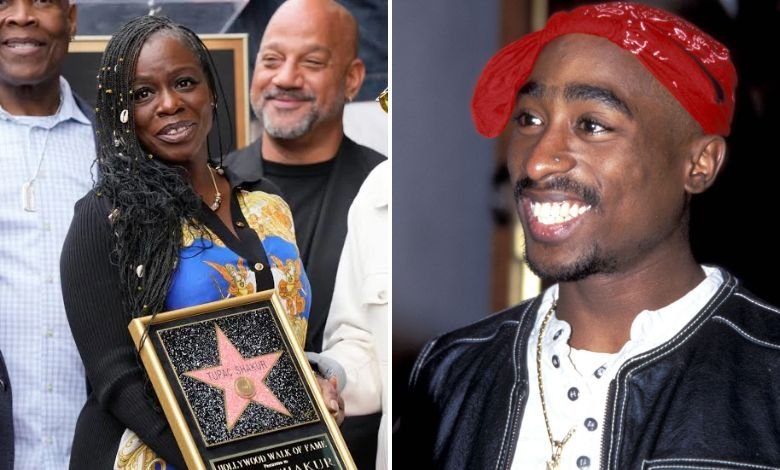
One of Sekyiwa’s most recognizable appearances took place on June 7, 2023, when Tupac received a posthumous star on the Hollywood Walk of Fame. She attended the ceremony in Los Angeles and accepted the honor on behalf of her family. During her speech, she reflected on Tupac’s early ambitions and his interest in artistic achievement. The ceremony recognized his contributions to entertainment and provided an opportunity for his family to celebrate his lasting cultural importance.
Sekyiwa’s involvement in preserving Tupac’s legacy extends beyond attending commemorative events. Through the Tupac Amaru Shakur Foundation, she supports an organization that connects his artistic influence with programs focused on education, emotional wellness, and community development. This work reflects an approach to cultural preservation that emphasizes positive opportunities for others. Her leadership helps maintain the connection between Tupac’s creative achievements and charitable initiatives that carry his name.
Sekyiwa Shakur’s Advocacy and Community Contributions
Sekyiwa Shakur’s advocacy work centers on youth development, mental health awareness, and community empowerment. Her professional activities are closely connected to the mission of the Tupac Amaru Shakur Foundation, which supports programs designed to encourage emotional wellness and creative expression. These areas are important because young people facing social or personal challenges often benefit from educational resources, mentorship, and supportive community environments. The foundation’s approach brings these different needs together.
Mental health and emotional well-being are important parts of the organization’s current mission. Its activities emphasize understanding trauma, encouraging healthy emotional expression, and providing opportunities for personal development. Creative programs involving music, writing, and other forms of art can offer individuals constructive ways to communicate their experiences. Sekyiwa’s leadership supports an organizational focus that recognizes the relationship between creativity, confidence, and emotional health.
Her community contributions also reflect the charitable vision established by her mother, Afeni Shakur. After Tupac’s death, Afeni worked to transform her son’s cultural influence into educational and artistic opportunities. Sekyiwa’s involvement continues this connection between family history and community service. By concentrating on the needs of young people, she contributes to a mission that extends beyond preserving Tupac’s memory and addresses challenges affecting communities today.
Sekyiwa Shakur Net Worth and Financial Background
Sekyiwa Shakur’s net worth is a subject that attracts interest among people researching Tupac Shakur’s family. However, a reliable figure for her personal wealth has not been established. Her professional activities are primarily associated with nonprofit leadership and charitable work rather than a documented commercial entertainment career. Without dependable financial records, it is not possible to calculate her earnings, property holdings, investments, or total personal assets accurately.
Her position as president of the Tupac Amaru Shakur Foundation does not provide a direct measure of her personal financial circumstances. Nonprofit organizations maintain their own resources and operating budgets, which are separate from the finances of their individual leaders. The foundation’s activities, charitable contributions, and organizational assets should not be treated as Sekyiwa’s personal income or wealth. Understanding this distinction is important when discussing her financial background.
It is also necessary to separate Sekyiwa’s finances from the commercial value of Tupac Shakur’s music and estate. Tupac’s recordings and artistic work remain important parts of music history, but their commercial value cannot be used to determine his sister’s personal net worth. Her professional biography is better represented through her leadership responsibilities and community contributions than through unsupported financial estimates.
Sekyiwa Shakur Public Appearances and Media Interviews
Sekyiwa Shakur has appeared at events and participated in discussions connected to Tupac Shakur’s life, music, and family history. Her perspective is important because she experienced his childhood and early development as a family member rather than as a listener or entertainment professional. Her recollections have contributed to conversations about Tupac’s personal background, artistic ambitions, and the family experiences that formed part of his life before international fame.
Her appearance at the Hollywood Walk of Fame ceremony in June 2023 was a significant example of her role in representing the Shakur family. Tupac received his posthumous star in recognition of his contributions to recording and entertainment. Sekyiwa accepted the honor and shared memories of his early interest in performing. The event celebrated Tupac’s career while recognizing the continuing importance of his work to audiences across different generations.
In addition to cultural celebrations, Sekyiwa’s professional role connects her to discussions involving charitable initiatives and community well-being. Her leadership of the Tupac Amaru Shakur Foundation brings attention to subjects such as youth empowerment, mental health, and creative development. These activities demonstrate that her involvement in events connected to Tupac also serves a broader purpose. She represents both a family legacy and an organization dedicated to helping communities.
Sekyiwa Shakur Life After the Death of Tupac Shakur
Tupac Shakur died on September 13, 1996, at the age of 25, following a shooting in Las Vegas. His death was a major event in American music history and an important turning point for his family. At the time, Tupac had achieved success as a rapper, actor, and songwriter, with a growing international audience. For Sekyiwa, his death also represented the loss of an older brother with whom she had shared significant childhood experiences.
Following Tupac’s death, their mother, Afeni Shakur, became deeply involved in preserving his artistic achievements and developing charitable programs in his memory. She established the Tupac Amaru Shakur Foundation to provide opportunities for young people through education and creative expression. Afeni also played an important role in managing aspects of Tupac’s artistic legacy. Her death on May 2, 2016, marked another important loss in the Shakur family’s history.
Sekyiwa’s later leadership of the foundation became an important part of continuing the organization’s work. As president, she supports a mission that combines cultural preservation with youth development and mental health initiatives. Her involvement demonstrates how the family’s commitment to community support continued after the deaths of Tupac and Afeni. Rather than focusing entirely on the past, the foundation uses its history to support programs that address present-day needs.
Where Is Sekyiwa Shakur Now?
As of October 2026, Sekyiwa Shakur is identified as president of the Tupac Amaru Shakur Foundation. Her professional role remains associated with community development, youth empowerment, and mental health awareness. The organization continues to emphasize the importance of creative expression and emotional well-being as part of its charitable mission. These areas provide the clearest picture of her current professional activities and responsibilities.
Sekyiwa’s leadership connects the foundation’s history with the social needs of younger generations. Its programs reflect an understanding that education, artistic opportunities, and emotional support can contribute to personal development. Through her position, she represents an organization established by her mother and named in memory of her brother. This responsibility allows her to maintain an important connection between the Shakur family’s cultural influence and community service.
Although she has attended important events honoring Tupac, Sekyiwa’s life today should not be defined only by those appearances. Her professional responsibilities involve nonprofit leadership and support for charitable initiatives. Specific details about her current residence and everyday personal activities are not established in the biographical information used here. Her continuing association with the foundation remains the most relevant aspect of her present-day professional identity.
Also Read: Kelsy Ully Biography: Jonathan Scott’s Ex-Wife, Career, Marriage, and Personal Life
Interesting Facts About Sekyiwa Shakur
Sekyiwa Shakur was born on October 3, 1975, in East Harlem, New York City, and celebrated her 51st birthday in October 2026. She is commonly known by the nickname Set and is the younger maternal half-sister of Tupac Shakur. Her mother, Afeni Shakur, was associated with the Black Panther Party, while her father, Mutulu Shakur, participated in political activism and community health initiatives. These family connections place her within an important chapter of American cultural and social history.
Another significant detail about Sekyiwa is her professional involvement with the Tupac Amaru Shakur Foundation. The organization was established by Afeni Shakur following Tupac’s death and became associated with youth education and creative arts development. Sekyiwa later assumed the presidency, continuing the foundation’s work while supporting its focus on emotional wellness and mental health awareness. Her responsibilities demonstrate a professional commitment to charitable activities rather than a career in commercial music.
Sekyiwa also participated in a major moment honoring her brother on June 7, 2023, when Tupac received a posthumous star on the Hollywood Walk of Fame. She accepted the recognition on behalf of the family and spoke about his childhood ambitions. The event highlighted her continuing connection to Tupac’s cultural legacy and her role in representing the family at important commemorative occasions. It remains one of the most recognizable appearances associated with her biography.
FAQs
Who is Sekyiwa Shakur?
Sekyiwa Shakur is an American philanthropist, community advocate, and nonprofit leader. She is best known as the younger half-sister of Tupac Shakur and serves as president of the Tupac Amaru Shakur Foundation.
How old is Sekyiwa Shakur?
Sekyiwa Shakur was born on October 3, 1975. She is 51 years old as of October 2026.
Where was Sekyiwa Shakur born?
She was born in East Harlem, New York, United States. Her childhood was connected to several American communities, including New York, Baltimore, and California.
Who are Sekyiwa Shakur’s parents?
Her parents are Afeni Shakur and Mutulu Shakur. Afeni was a political activist associated with the Black Panther Party, while Mutulu was involved in political activism and community health programs.
Is Sekyiwa Shakur Tupac Shakur’s biological sister?
Yes, Sekyiwa and Tupac were maternal half-siblings. They shared the same biological mother, Afeni Shakur, but had different fathers.
Who is Sekyiwa Shakur’s husband?
Gregory Jackson is named as Sekyiwa Shakur’s spouse in the supplied biographical details. However, details about their marriage and relationship history have not been independently established.
What does Sekyiwa Shakur do for a living?
She works in nonprofit leadership and community advocacy. Her professional responsibilities include serving as president of the Tupac Amaru Shakur Foundation and supporting its charitable mission.
Where is Sekyiwa Shakur today?
As of October 2026, Sekyiwa Shakur remains associated with the Tupac Amaru Shakur Foundation as its president. Her professional work focuses on youth development, emotional wellness, and community support.
Conclusion:
Sekyiwa Shakur’s biography reflects a life shaped by family history, political activism, and community responsibility. Born on October 3, 1975, in East Harlem, New York, she grew up as the daughter of Afeni Shakur and Mutulu Shakur and the younger half-sister of Tupac Shakur. Her childhood included experiences connected to financial challenges, changing family circumstances, and the influence of social movements. These elements form an important part of understanding her personal background.
Although her relationship with Tupac brought recognition to her name, Sekyiwa established her own professional identity through nonprofit leadership and charitable activities. Her work as president of the Tupac Amaru Shakur Foundation connects her family’s history with programs that support emotional wellness, youth development, and creative expression. Her appearance at Tupac’s Hollywood Walk of Fame ceremony in 2023 also demonstrated her continuing involvement in preserving his cultural achievements.
Sekyiwa Shakur’s life represents more than her connection to a famous musician. Her charitable responsibilities reflect the community-focused values associated with her parents and the foundation established by her mother. Through her leadership, she contributes to an organization that uses creativity and educational opportunities to encourage personal growth. Her story combines the lasting cultural influence of the Shakur family with an individual commitment to community development and social support.





One Comment